Planning to travel to Cuba, a beautiful Caribbean island with so much history and culture? It’s no surprise – Cuba’s vibrant landscapes, colourful colonial architecture and warm, inviting people make this one of the best Caribbean countries to visit and explore.
But, this isn’t your average travel destination – Cuba’s idiosyncrasies require thorough preparation and understanding!
This complete Cuba travel guide will cover:
- 14 things to know before travelling to Cuba, helping you navigate your journey by offering useful insights and practical tips on the realities of travel around Cuba.
- Is Cuba safe to travel?
- The best time to visit Cuba, ensuring you plan your trip at the most appropriate time of year.
- Where to stay in Cuba, offering guidance on travelling around Cuba and discovering areas and towns off the beaten track.
- Things to do in Cuba equipping you with the must-see areas, to ensure you have an authentic Cuban experience.
- Cost of travel in Cuba
- Unveil the answers to FAQ’s about travelling to Cuba.
14 Things To Know Before You Travel To Cuba
1. Cuba’s Deep-Rooted History Continues to Resonate Across the Nation Today
A journey through Cuba is as much a voyage through time as it is a trip across a landscape.
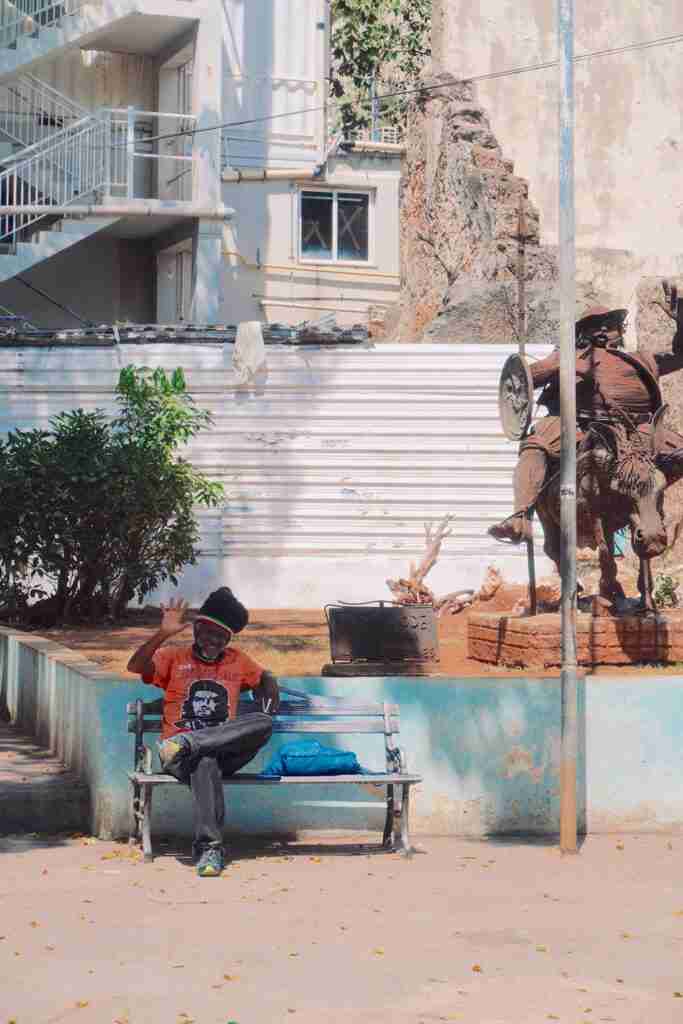
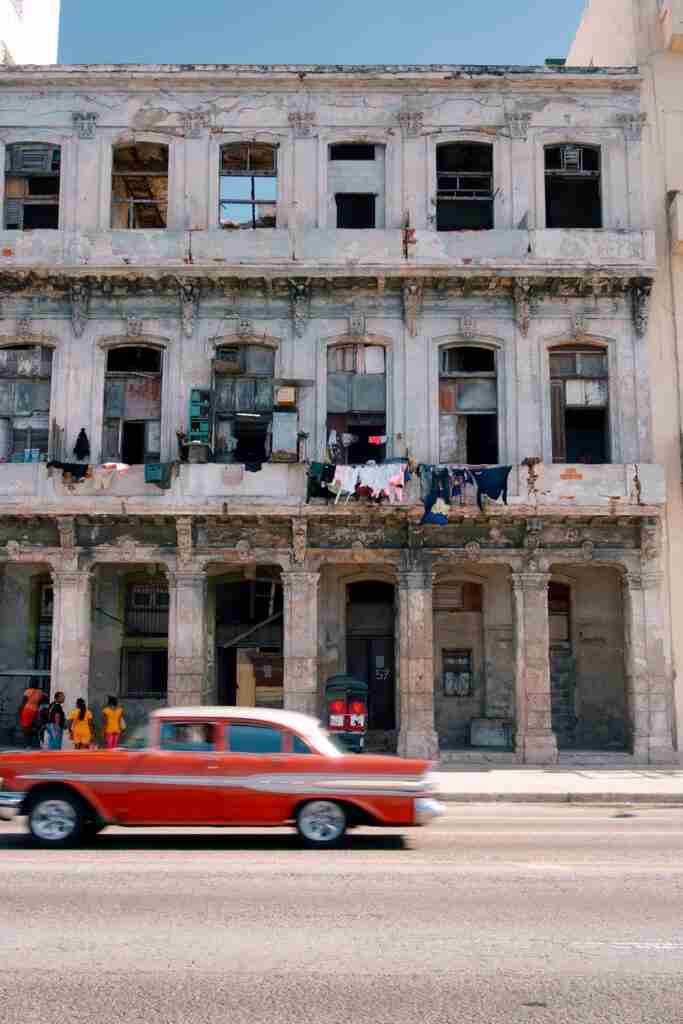
The nation’s vibrant history, which includes periods of Spanish colonial rule, U.S. occupation, and a socialist revolution, has profoundly influenced its culture. The complex mosaic of influences in Cuba’s history can be observed in its architecture, where colonial structures stand next to Soviet-style buildings, and in the people’s resilient spirit. The living legacy of Cuba’s iconic leader, Fidel Castro, and the country’s perseverance as a bastion of socialism in a globalising world, epitomises the uniqueness of communist Cuba.
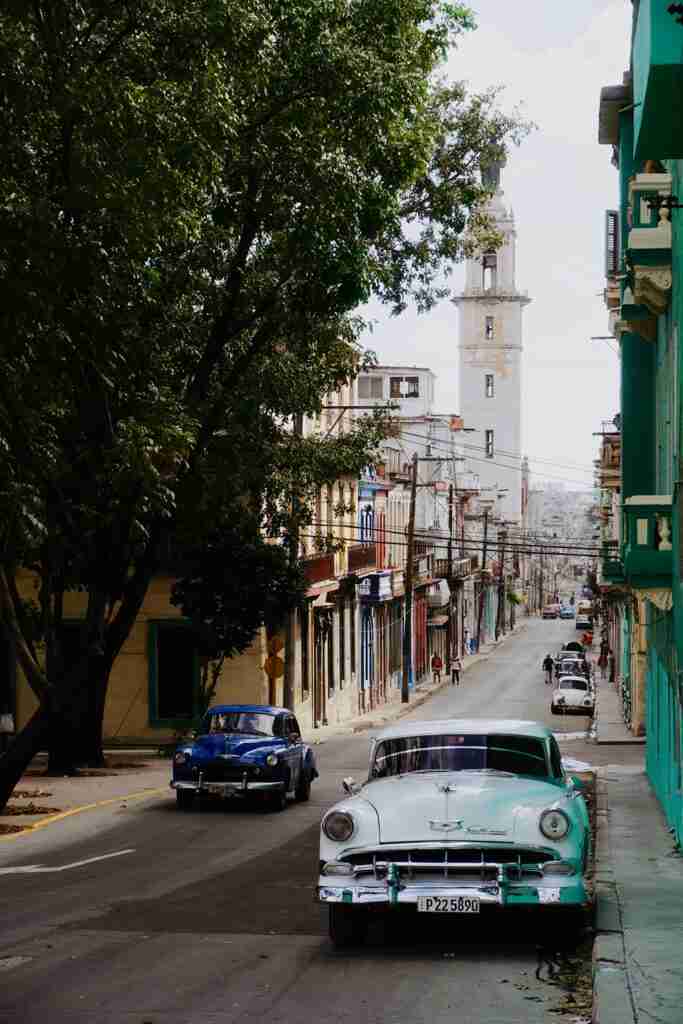
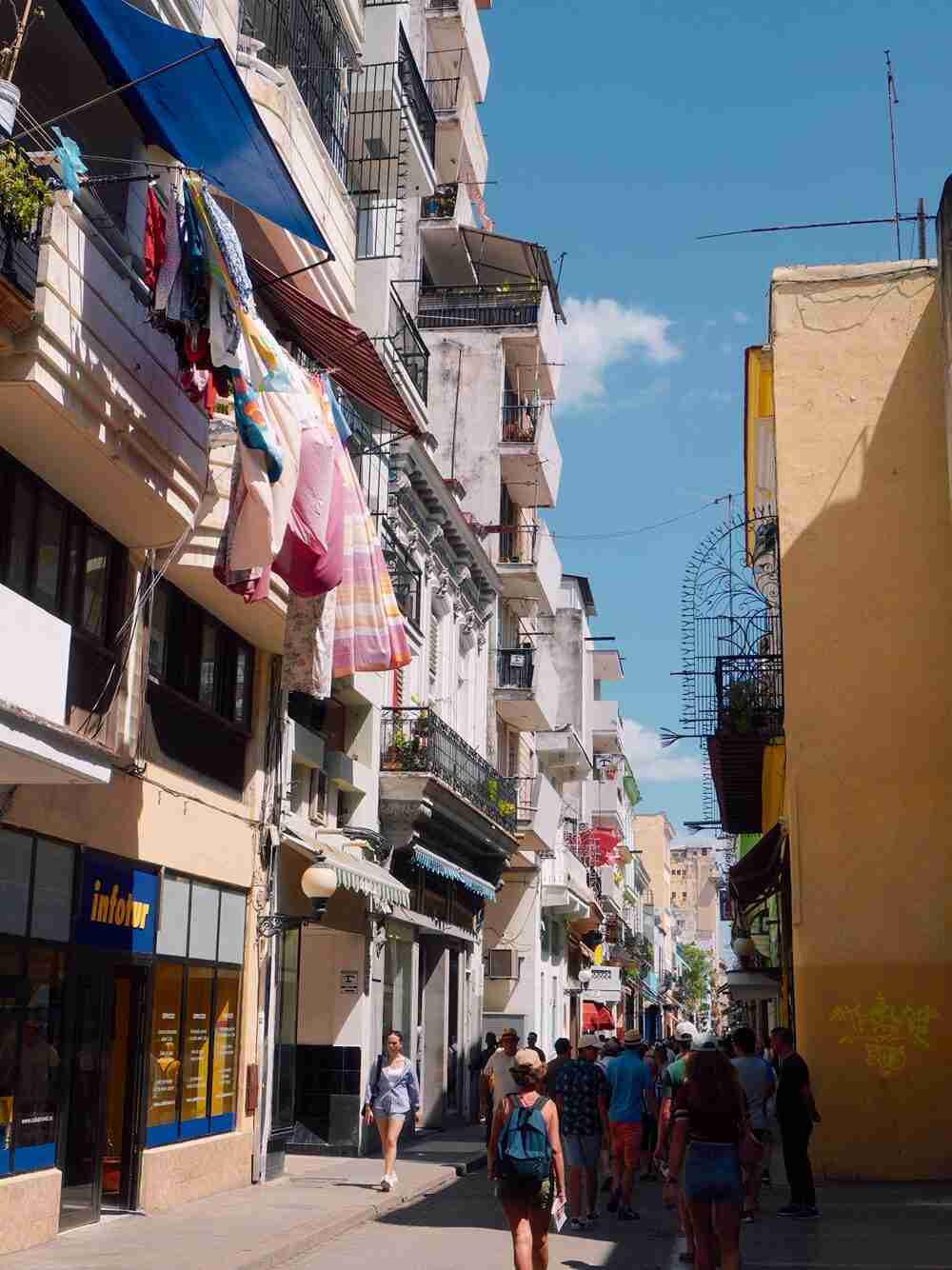
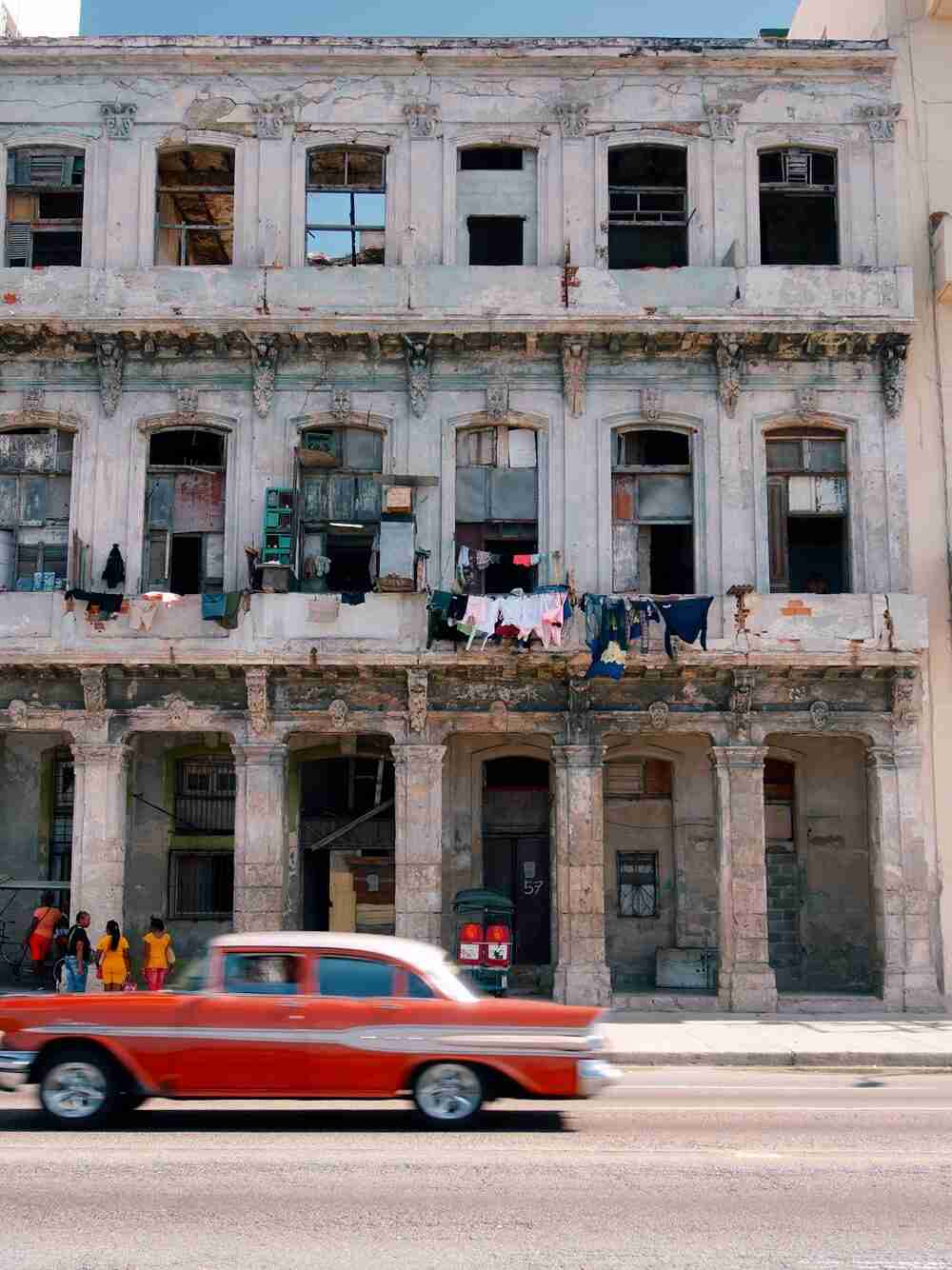
Visitors to Havana, the capital, are greeted by pastel-coloured buildings and classic American cars from the 1950s, evoking a nostalgic sense of a bygone era. Here, history is ever-present in the museums, churches, fortresses, and ballet theatres that pepper the city.

Cuba Today: A Look at Life in Communist Cuba
Despite the influx of tourists, life in Cuba remains deeply rooted in its socialist ideals.
Communist Cuba, as we know it today, began following the revolution led by Fidel Castro and Che Guevara in 1959. Even today, the government owns and controls most of the country’s economy.
While progress has been slow, there have been some changes in recent years. Private enterprise is now permitted, albeit within limits, and Cubans can now buy and sell property and cars. However, many challenges persist, including limited access to the internet, restrictions on freedom of expression, and shortages of food and other basic necessities.
Despite these challenges, the Cuban people are remarkably resilient and welcoming. Their spirit, culture, and the country’s natural beauty make a trip to Cuba an unforgettable experience.
2. Requirements for Travel to Cuba
Before you pack your bags to travel to Cuba from the UK, here are the requirements for a stress-free journey.
Do UK Travellers Need a Visa for Cuba?
Yes, UK citizens must acquire a tourist visa, known as a tourist card, before travelling to Cuba. The tourist visa in Cuba is valid for 30 days for most travellers, but Canadians get 90 days. The visa can be extended for an additional 30 days when you are in Cuba. We flew to Cuba from the US and were able to get the visa at the airport from an American Airlines representative. Check with your airline to see if they can organise this for you. Alternatively, you can usually obtain one through travel agencies or tour operators, at the airport, or from the Cuban Consulate in London (if you’re in the UK).
Also, be sure to check your passport is valid for more than 6 months.
These requirements can change, so check the latest travel advice from government websites or consulates before travelling.
Health Insurance is Mandatory
Cuba requires all visitors to have travel health insurance that covers medical expenses. Ensure that your policy covers you for medical evacuation, as it can be prohibitively expensive. For peace of mind, carry proof of your health insurance.
If you haven’t purchased health insurance before your trip to Cuba, local health insurance can be paid for on arrival at around $2.50 US per day.
Do I Need Vaccinations for Cuba?
While the country does not require proof of any specific vaccinations for Cuba entry, it’s wise to be updated on routine vaccines.
According to the NHS, hepatitis A, typhoid, tetanus, and diphtheria vaccines are recommended for most travellers.
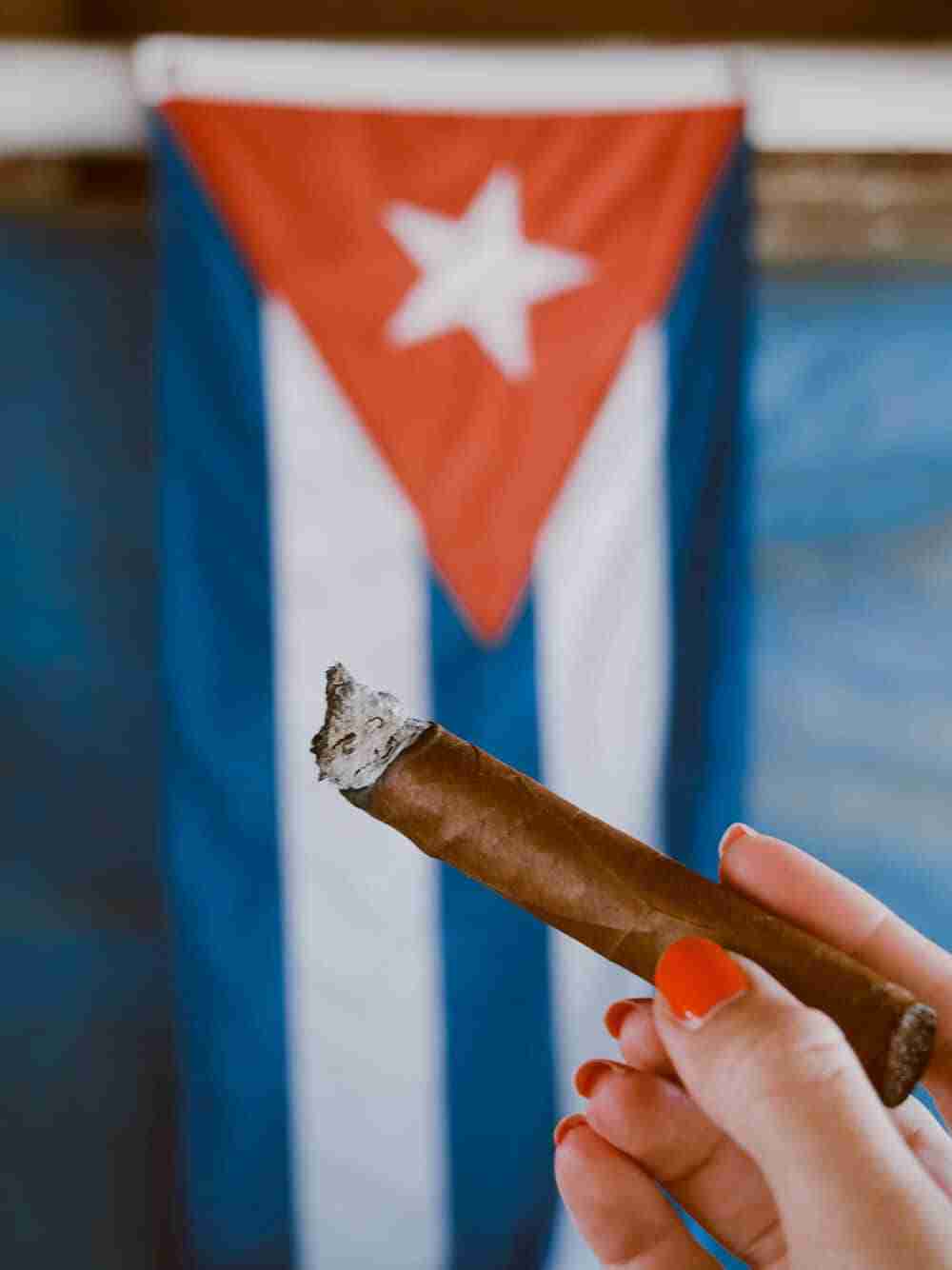
3. Buy Cigars in Cuba From Tobacco Plantations or Government Stores
Cuba is renowned worldwide for its premium cigars. However, the market is also rife with fakes.
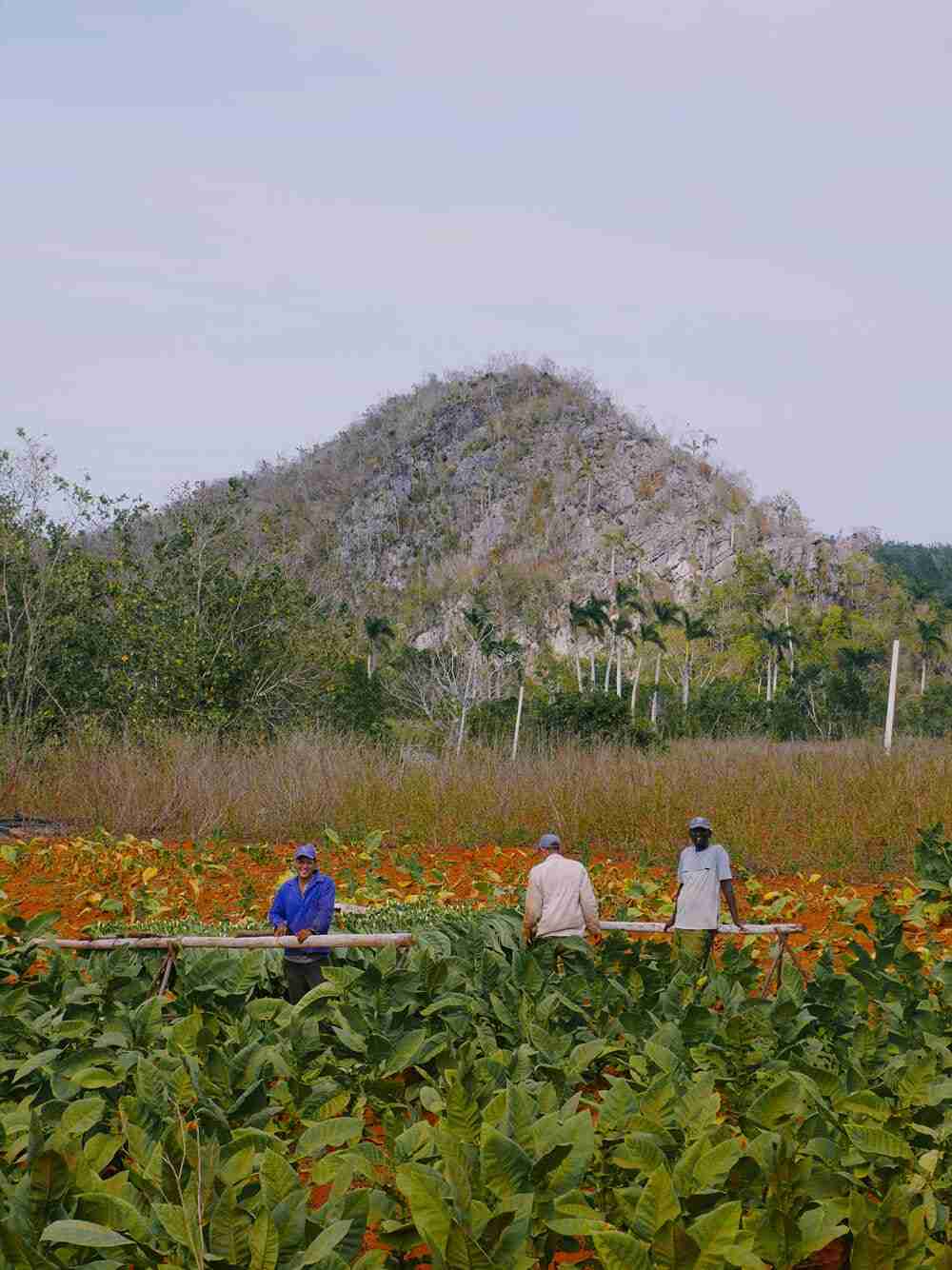
To ensure you purchase authentic Cuban cigars and not counterfeit, buy directly from the tobacco plantations or official government-run cigar stores.

4. Understanding the Currency Situation in Cuba
The Dual Currency System in Cuba
The local currency in Cuba is the Cuban Peso (CUP). However, until January 2021, there were 2 main currencies in circulation – CUP for residents and Cuban Convertable Peso (CUC) for tourists.
The government removed CUC from circulation, making it less complex – the Cuban Peso (CUP) is now the primary currency in Cuba.
There’s also a Cuban digital currency, Moderna Libremente Convertible (MLC), but we won’t delve into that here to avoid further confusion.
You Cannot Get Cuban Pesos in U.K. or USA
Cuban currency is not available outside Cuba, so you must exchange your money for Cuban Pesos upon arrival.

You can either exchange money at government-run offices (there’s one at the airport) or ATMs. However, ATMs are scarce, not always reliable, and they operate on the official exchange rates controlled by the government, which is terrible!
Alternatively, if you stay in Casa Particulars, you can take advantage of the black market currency exchange.
The currency in Cuba situation looks a little something like this:
- The official exchange rate is around 1 USD = 24 CUP.
- The Cuban government offices will give you 1 USD = 120 CUP.
- The black market reflects the actual value of the Cuban Peso more realistically, we got 1 USD = 168 – 175 CUP, but this fluctuates quite drastically on a daily basis.
Now do you see why it’s so confusing? Well, there’s more. US dollars are worth less than other currencies in Cuba. If you exchange US dollars, there is an 8% commission fee. With other currencies, it is just 2%. This is also reflected in the black market. We used both USD and Euro and received 168 Pesos for 1 US and 175 Pesos for 1 Euro.
The currency situation is fluid in Cuba. The country is in an economic crisis, and the exchange rate changes daily on the black market. And, if you move around in Cuba, you will find different rates in different towns.
Take More Than Enough Cash
In Cuba, only government-owned establishments and large resort hotels accept card payments. Privately-owned restaurants, shops, tours, and excursions are cash only.
Therefore, it’s always best to take too much of your home currency and exchange it for CUP as you need it. It’s not advisable to exchange all your money at once as you could end up in an impossible situation if you need to pay for something in US Dollars or Euros and you have no means of payment.
Ensure you have enough cash for your stay, plus a little extra for emergencies.

Not All Credit Cards Work in Cuba
Many American credit cards (including American Express) do not work in Cuba, due to the US embargo. Check with your bank before you travel. Even if your card works, know that service charges can be high and not all places accept card payments.
Using ATMs In Cuba
ATMs in Cuba are not as readily available as in other countries. Even when you find one, it might be out of service or may not accept foreign cards. Always have enough money on hand to cover your expenses.
ATMs in Cuba do not work with US credit or debit cards.
Remember, you get the lesser valuable government exchange rate and pay your banks foreign ATM withdrawal fees if you use an ATM in Cuba.
Withdrawing money from an ATM should be your last resort. Be prepared and always have enough cash on hand to cover your expenses.
5. Internet Access in Cuba – The Reality of Wi-Fi in Cuba
The digital revolution is slowly making its way into Cuba, but the island nation is still a world away when it comes to connectivity.
Wifi Is Not Accessible Everywhere & You Have to Pay for It
Wi-Fi in Cuba is not free and is only available in select places. Most hotels offer Wi-Fi, but you need a card to access the internet in Cuba, which you can purchase from ETECSA, the state telecom company, or at various shops and kiosks.
The card should cost 5 USD for a 5-hour card and 1 USD for one hour of internet access in Cuba.
Then, when you are at a public Wi-Fi spot, use the internet card to log in to the network. Remember to log out when you have finished to avoid using all your internet time in Cuba at once, and use a VPN to protect your browsing.

Wi-Fi access is primarily available in public squares, large hotels, and certain government-run establishments.
You Should Buy A Tourist Sim BEFORE You Go
To stay connected in Cuba, consider getting a tourist SIM card for your unlocked phone. Pre-order the Cuban tourist SIM and collect it at the airport or any of the many ETECSA stores to avoid the hassle of searching for one upon arrival.
The SIMs are active for 30 days, and give you 6GB with 100 minutes and 100 texts. This SIM should cost 25 USD. You can also buy extra data: 10GB for 20 USD, 20GB for 30 USD, and 50GB for 60 USD.
A tourist SIM means you can have internet access in Cuba at all times without worrying about intermittent Wi-Fi. You get LTE (almost 4G) in most built-up areas, cities, towns, and tourist hotspots. However, getting access to data outside of these areas is difficult.
Some phone service providers have data roaming agreements with Cuba, but typically, they are expensive, making a tourist SIM a much better option.
Top Tip: when travelling as a couple or group, take an old phone to put your travel SIM in. Then, use this phone as a Wi-Fi hotspot.
Download A VPN Before You Travel
Given that Cuba has one of the most regulated internet environments globally, a VPN can help bypass restrictions and protect your online privacy.
Additionally, if you have an iPhone, you won’t be able to access the app store when you’re in Cuba.
So, to be able to access all your favourite apps, watch TV shows and keep up to date with news, install a VPN before you leave. We use Express VPN in every destination we travel to, and it has never let us down. Ensure to download and set it up before you travel.
📱 Stay Connected to All Your Favourite Apps in Cuba with ExpressVPN
6. Download These Essential Offline Apps for Cuba
Given the limited internet access in Cuba, offline apps are crucial during your trip to Cuba.
Consider downloading the following essential offline Apps for Cuba:
- Google Maps or Maps.me for navigation
- Google Translate (which can be used offline) for translation
- Any currency converter apps to understand the exchange rates accurately
- HabanaTrans for navigating the capital city of Havana via public transport, particularly important for demystifying Havana’s public bus system
7. You Should Stay in a Casa Particular in Cuba
For an authentic Cuban experience, you should stay in a Casa Particular in Cuba. A Casa Particular is a private homestay run by local Cuban people.
These accommodations provide a glimpse into Cuban life, are cheaper than almost all hotels, and directly contribute to the livelihoods of local people.
Plus, they often come with home-cooked meals, offering a chance to savour local flavours.
🏡 Find the best Casa Particulars in Cuba



8. Try To Travel Around in Cuba Independently (Don’t Stay in One Place)
Cuba is a country of rich diversity, and Havana is only the tip of the iceberg.
From the idyllic tobacco farms in Viñales to the beautiful beaches of Varadero, there’s plenty to explore. Consider visiting Trinidad for a deep dive into Cuba’s colonial architecture or escaping the tourist trail in Baracoa.
With a varied landscape and vibrant culture, every corner of Cuba offers unique experiences.
You Might Love: 13 Best Things to Do in Trinidad, Cuba in 2024
9. Do Not Drink The Tap Water in Cuba
Cuba’s tap water is generally safe for locals, but it is not suitable for tourists.
The local water can contain bacteria to which visitors might not have immunity, potentially causing stomach upset. Therefore, stick to bottled water in Cuba to avoid any health issues.
10. Driving Old Cars in Cuba is the Norm
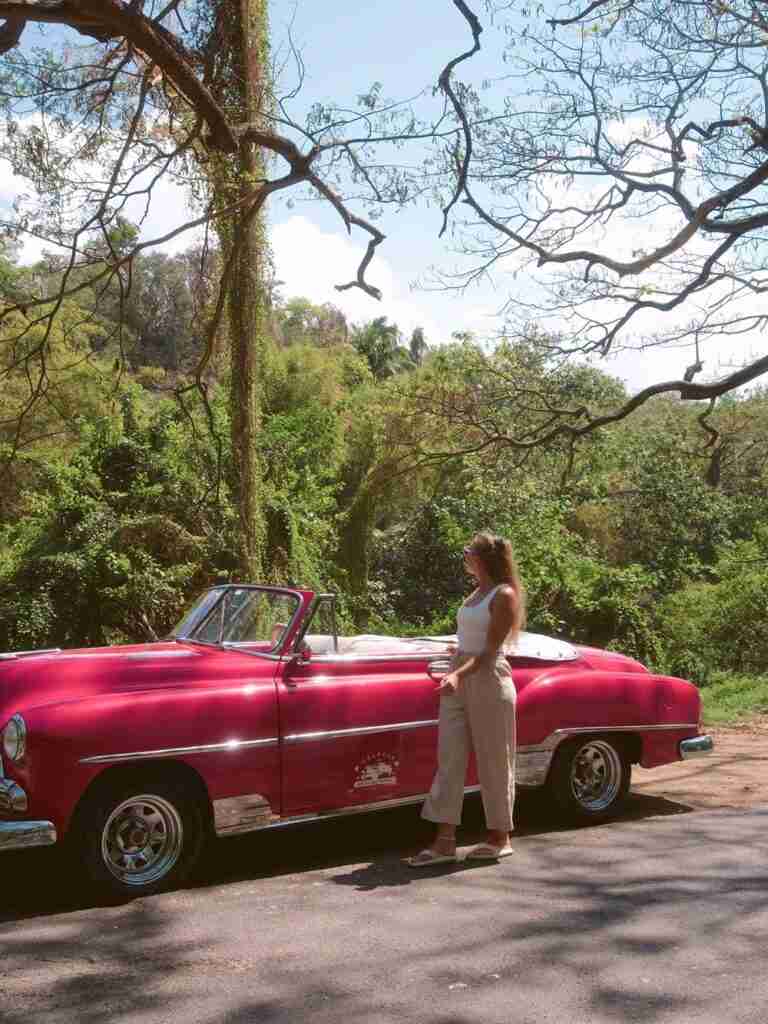
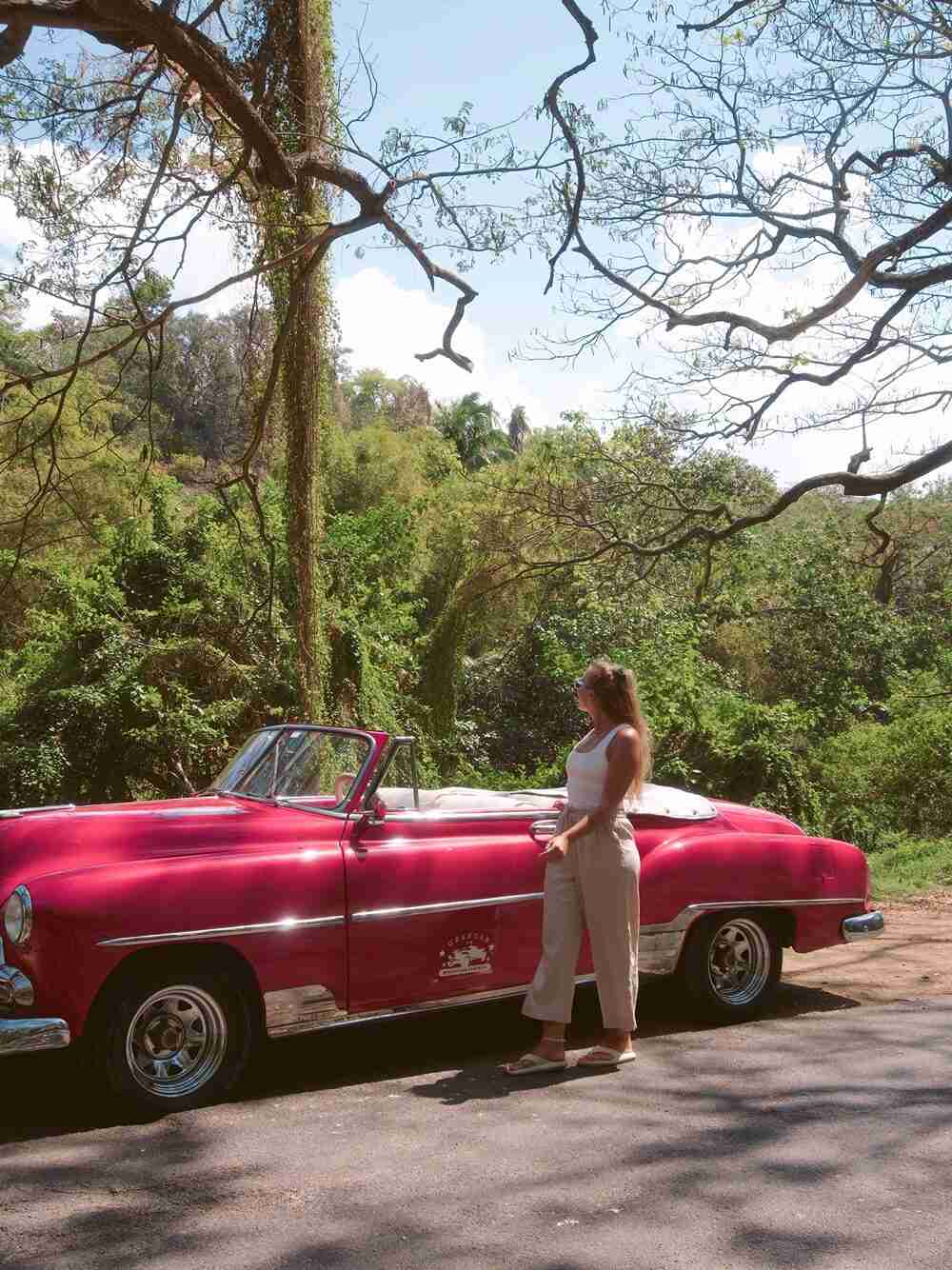
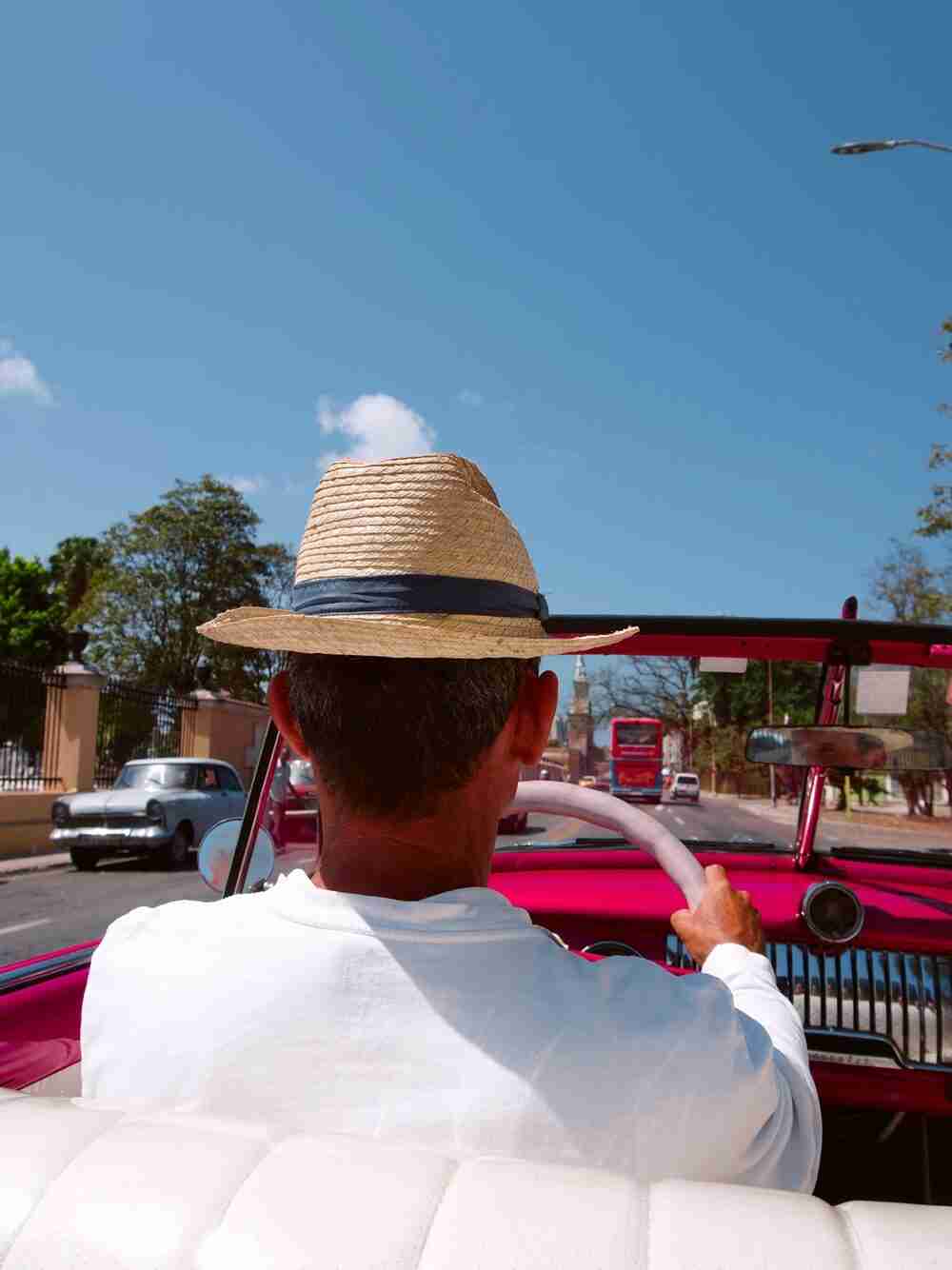
In Cuba, classic 1950s American cars are an iconic symbol of the country’s past and are more than a charming anachronism; they’re a part of everyday life today.
Often maintained with great care, these brightly coloured vintage vehicles are commonly used as taxis, offering a unique and nostalgic ride through Cuban streets. Don’t miss the opportunity to experience this charming aspect of Cuban life.
Top Tip: One of the best things to do in Havana, Cuba’s capital city, is to go on a tour in a classic 1950s American car.

11. On The Road – Toilet Paper is a Luxury in Cuba
Beyond the tourist hotels and Casa Particulars, toilet paper is considered a luxury item in Cuba, and it can be hard to find in public restrooms.
To avoid inconvenience, it’s wise to carry wets or toilet paper with you at all times, as well as hand sanitiser and tissue paper.
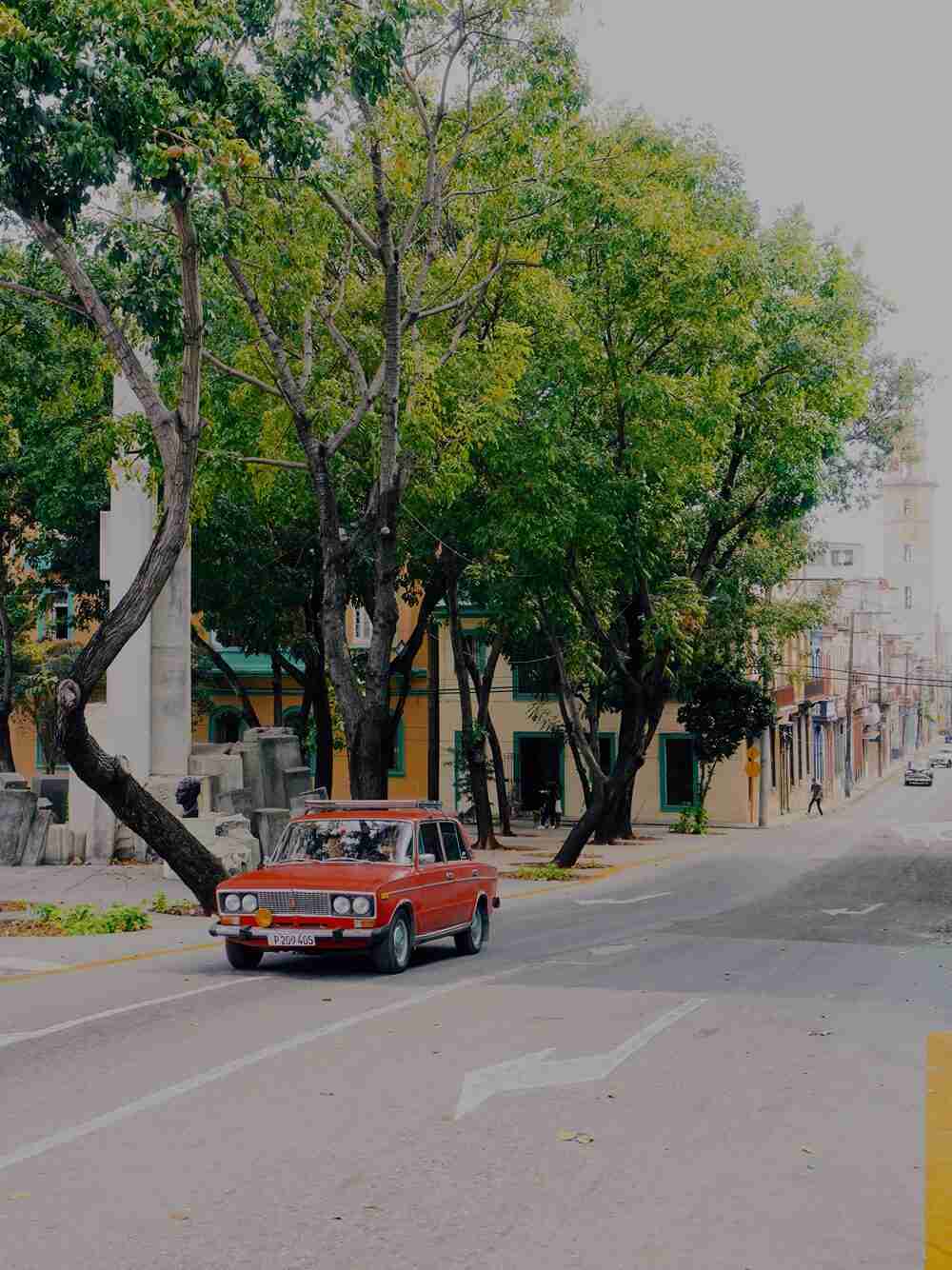
12. Taxi Collectivos in Cuba are the Most Common Form of Public Transport
Collectivos, or shared taxis, are a popular and budget-friendly option to travel around Cuba. You share a taxi with other tourists who are travelling along the same route or the same destination.
Taxi Collectivos in Cuba follow set routes and are a fantastic way to engage with locals during your travels. Navigating this aspect of public transport is an authentic Cuban experience in itself.
To set up a collectivo taxi ride, tell your accommodation your desired destination and departure date. They’ll relay the cost and specifics back to you and arrange it on your behalf. As the operation of collectivo taxis is contingent on demand (note they frequently don’t operate on Sundays), try to maintain flexibility with your timings and dates of travel.
Keep in mind that arranging collectivo taxis can be more challenging during the off-peak season (March to October) and for less popular tourist routes.


13. Cuban Supermarkets Are Not What You’re Used To
Supermarkets in Cuba may not have the variety or abundance that travellers from Western countries are accustomed to.
If there are particular snacks, condiments, or comfort foods you rely on, consider packing them with you.
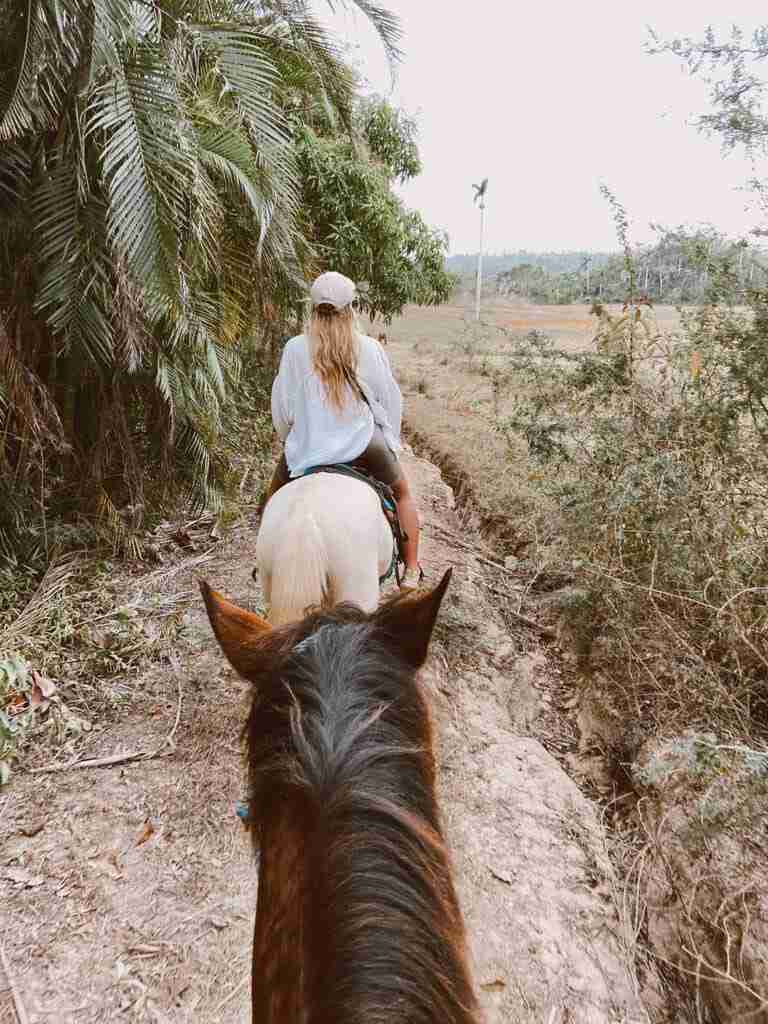
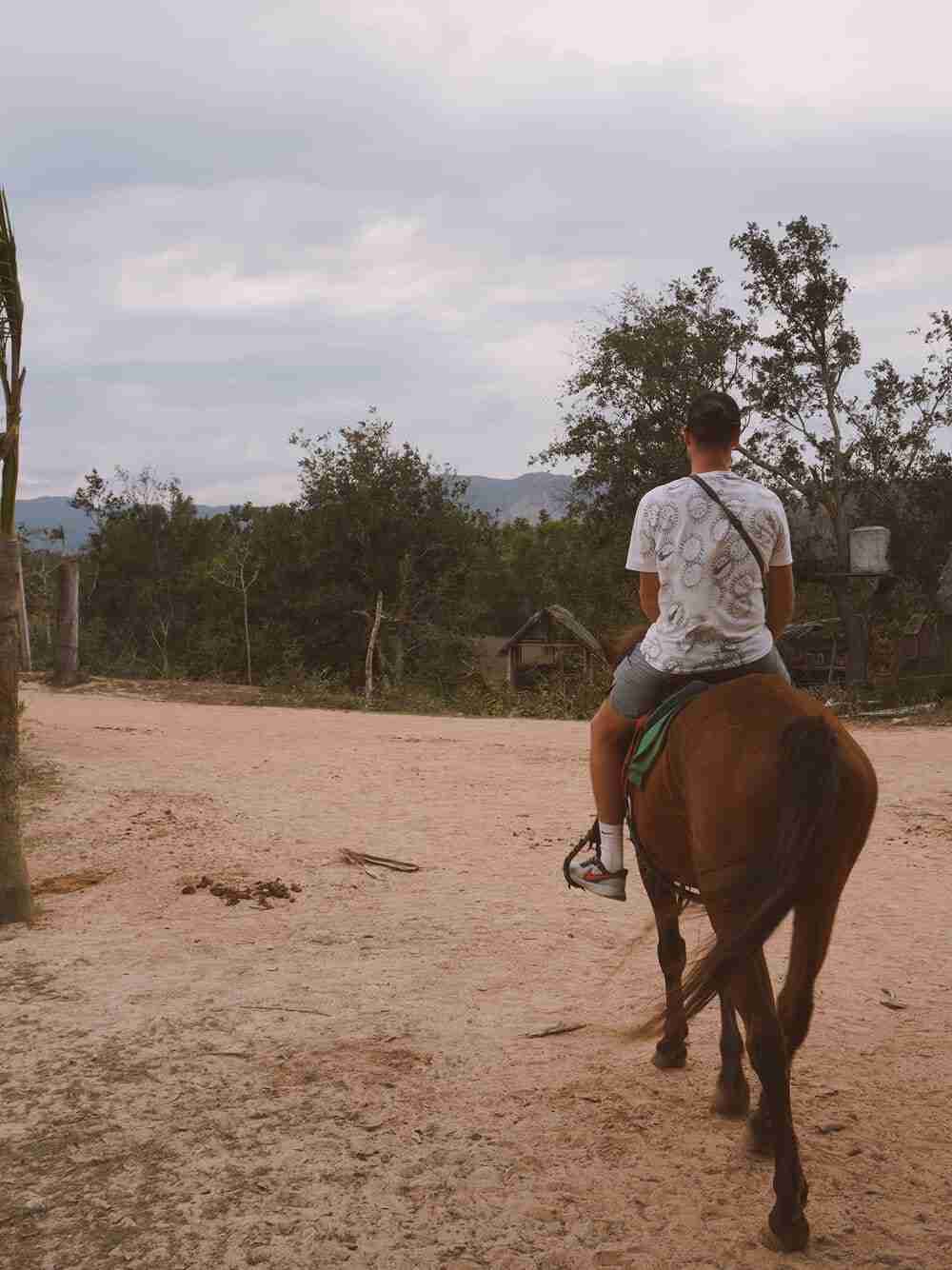
14. Horses Are Still Used For Transport in Cuba
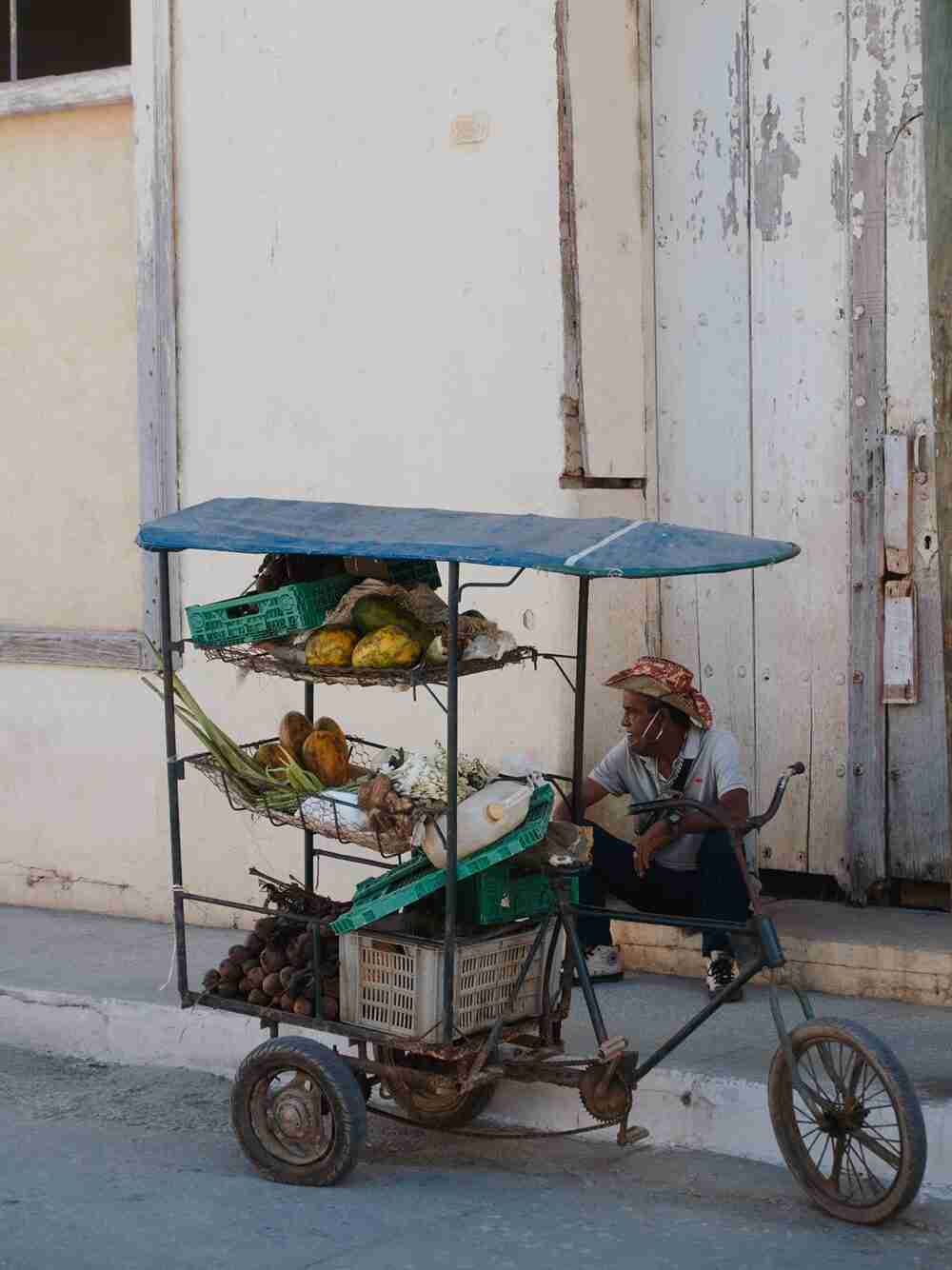
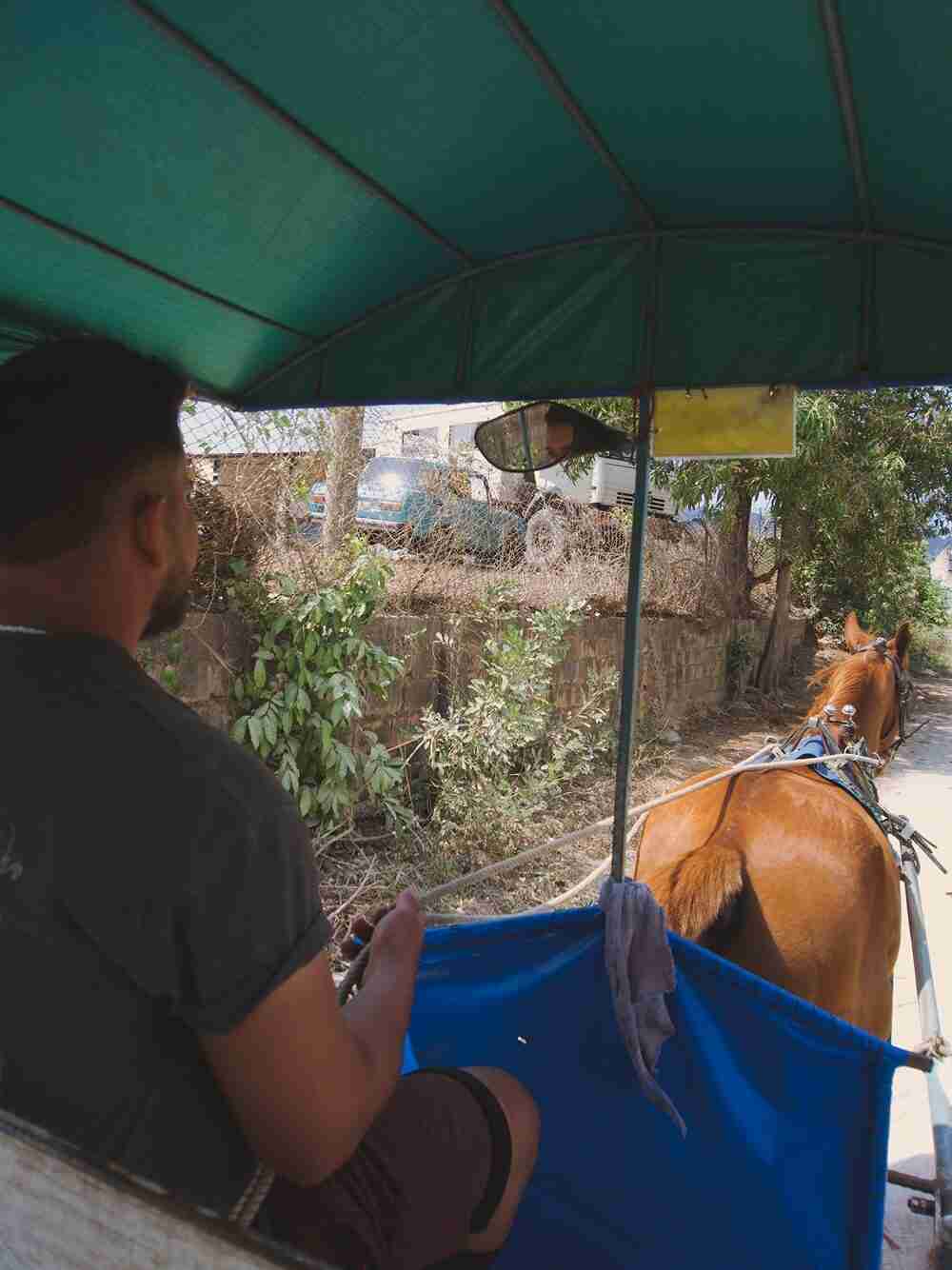
In rural areas of Cuba, horse and cart remain a vital mode of transportation, highlighting the country’s blend of old-world charm and practicality.
This serves as a reminder of Cuba’s slower pace of life and is a testament to its practical approach to resources.
15. Ropa Vieja Is Cuba’s National Dish
Tasting Cuban cuisine in Cuba is a must during your trip!
One of the best foods to try in Cuba is the national dish, Ropa Vieja, which translates to “old clothes” in English. Ropa Vieja is a mouth-watering, hearty stew of shredded beef simmered in a tomato-based sauce, served with rice.
This delicious dish embodies the richness and depth of Cuban cuisine.
Is Cuba Safe to Travel?
As with any travel destination, the question often arises – Is Cuba safe to travel? Generally, Cuba is considered a safe destination for tourists.
Crime rates are low compared to many other countries, and violent crime is particularly rare. However, it’s essential to exercise standard safety precautions. Avoid flashing expensive items, be mindful of pickpockets in crowded areas, and be wary of scams targeting tourists.
Health-wise, Cuba’s healthcare system is one of the best in Latin America. However, you should be prepared with comprehensive travel insurance that covers medical expenses. In the unlikely event that you need medical attention, the quality of care in major cities and tourist areas is generally good.
When it comes to food and water safety, it’s always safer to consume bottled water. Food hygiene standards may vary, so be cautious when choosing where to eat. As mentioned earlier, certain vaccinations for Cuba are recommended before you travel.
Best Time to Travel to Cuba
Deciding the best time to travel to Cuba depends largely on your tolerance for heat and your aversion to crowds.
Generally, the dry season in Cuba runs from November to April and is considered the best time to visit. During this period, the weather is warm, the skies are clear, and the risk of hurricanes is minimal.
However, this is also the peak tourist season, which means popular destinations like Havana, Trinidad, and Varadero can get quite crowded. Also, prices for flights, accommodations, and tours may be higher.

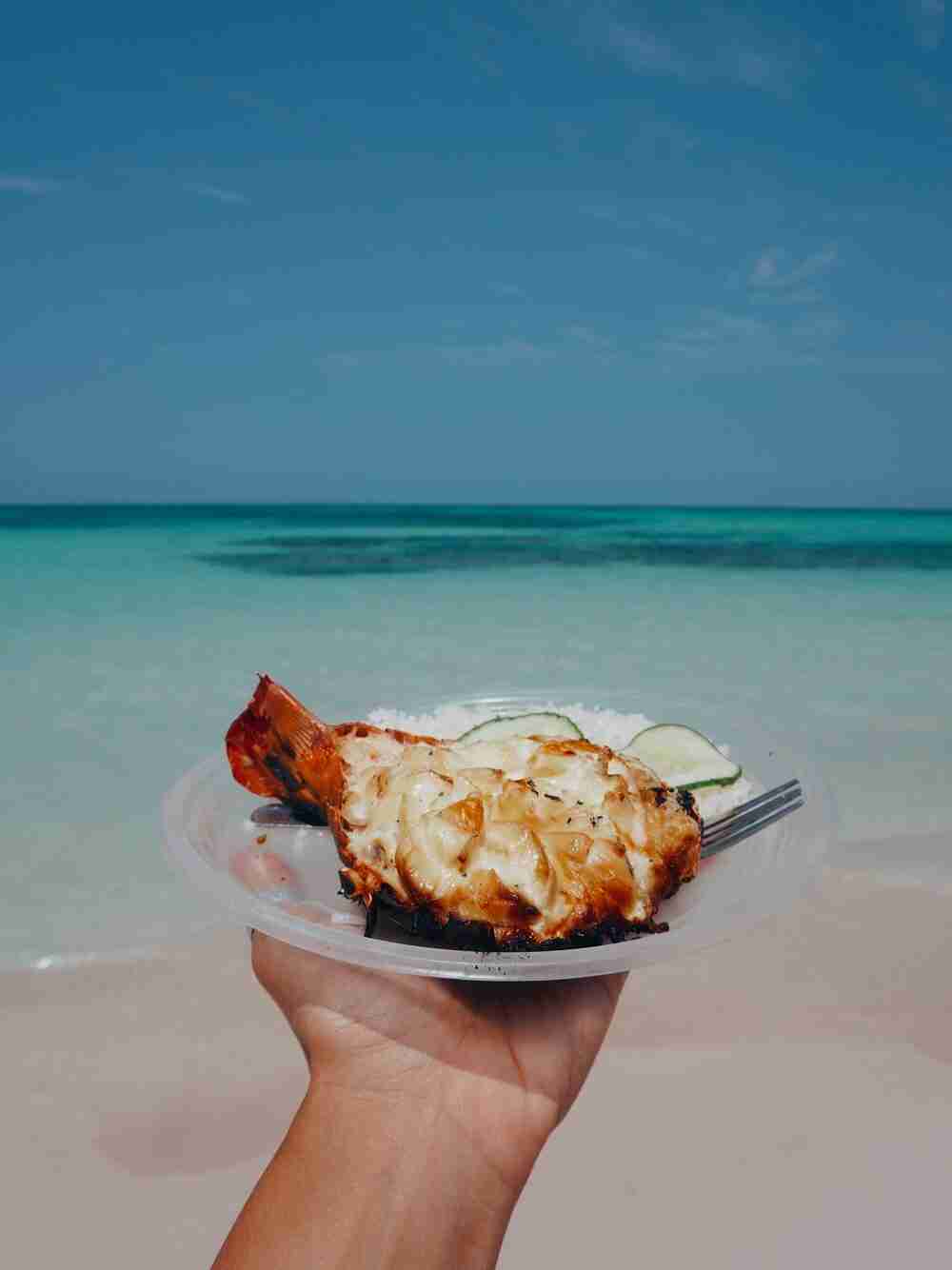

The rainy season in Cuba from May to October sees fewer tourists and lower prices. Therefore, it is an attractive option for budget travellers. However, the weather can be unpredictably hot and humid, with sudden downpours and an increased risk of hurricanes.
Where to Stay in Cuba and Things to Do
Planning where to stay in Cuba and what there is to do there can greatly enhance your travel experience. The vast island offers a diverse range of options to suit different preferences and budgets.
Whether you prefer to immerse yourself in the bustling city life of Havana, relax on pristine beaches in Varadero, or explore the scenic countryside in Viñales, there is a perfect place to provide insight into the vibrant Cuban culture.
Top Tip: We recommend staying in a Casa Particular in Cuba to immerse yourself in local culture and experience genuine hospitality and authentic connections. Staying in the home of a local Cuban offers more than just accommodation. From sharing stories with welcoming hosts to discovering hidden gems off the beaten path, Casa Particulars offer an authentic and enriching Cuban experience you won’t want to miss.
Havana – For Captivating Colonial Charm:
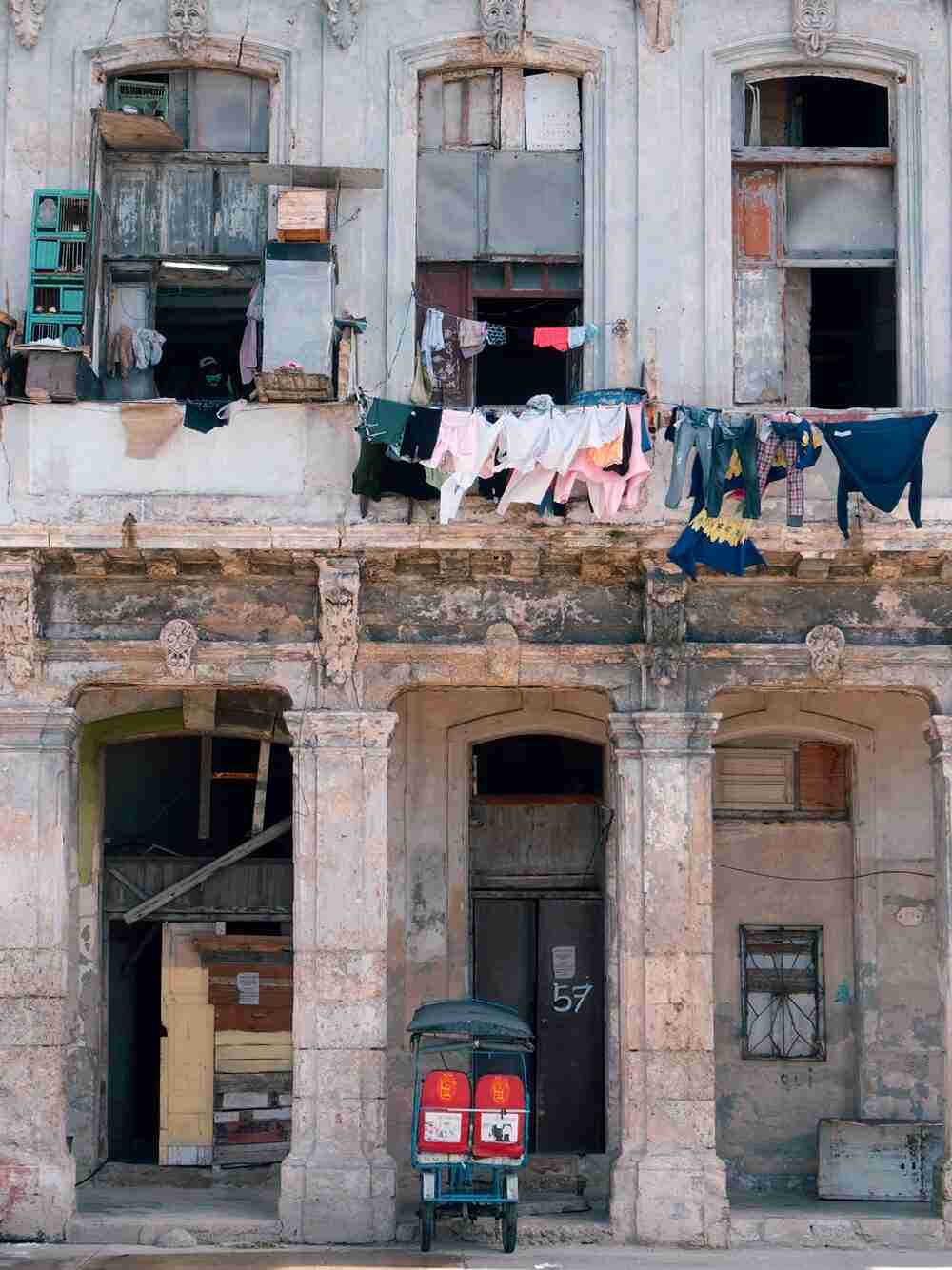
Havana, the capital city, is a melting pot of history, culture, and stunning architecture. Stay in Old Havana, a UNESCO World Heritage Site, and experience the charm of cobbled streets, colourful facades, and lively plazas. Or, for friendlier prices and a chance to experience local salsa bars, stay in Vedado (we loved staying in this neighbourhood!).
🏡 Find the best Casa Particulars and places to stay in Havana

Viñales – Nature’s Haven:
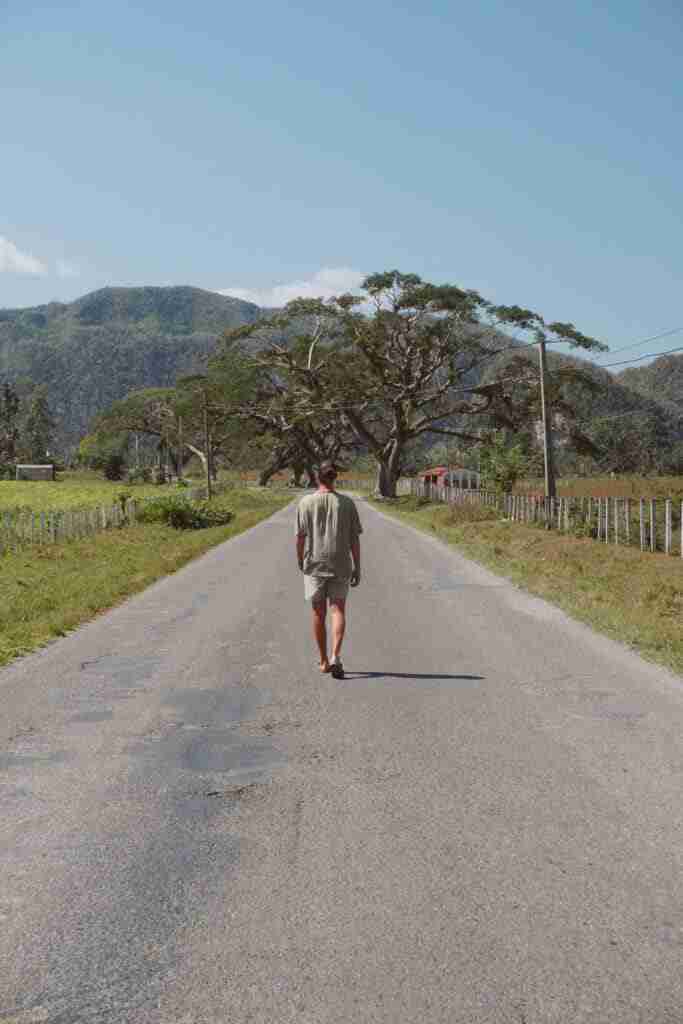
Vinales is, by far, our favourite place to stay in Cuba. Despite being in a rural and remote area of the country, Vinales has so much to offer. The town itself is surrounded by lush tobacco fields and limestone mogotes. While it’s developed, by any stretch of the imagination, but it has grown in popularity with tourists over the years, which has resulted in improved accessibility and a more comfortable experience for tourists staying there.
Embrace the tranquillity of the countryside by staying in Casa Particulars in Vinales, where warm hospitality and breathtaking views come together. Experience the rural life, learn about tobacco farming, and embark on adventurous hikes or horseback rides through the Viñales Valley.
You Might Love: 15 Amazing Things to Do in Vinales, Cuba
🏡 Find the best Casa Particulars and places to stay in Viñales


Varadero & Cayo Coco – Beachside Bliss:
If relaxation is on your agenda, head to Varadero or Cayo Coco for some of Cuba’s most stunning beaches. Indulge in the luxurious comfort of all-inclusive resorts with access to private beaches, pools, and top-notch amenities. Alternatively, choose budget hotels or Casa Particulars for a more affordable beachside experience.
🏡 Find the best Casa Particulars and places to stay in Varadero



Trinidad & Cienfuegos – For Colonial Gems:
Trinidad and Cienfuegos are two well-preserved colonial cities that are steeped in history and architectural beauty. Some of the best things to do in Cuba are located in these areas. We especially loved Trinidad. Again, we recommend staying in Casa Particulars, often located within the heart of the old town in Trinidad, granting you easy access to the cities’ vibrant plazas, museums, cobblestone streets, bars and historic landmarks.
🏡 Find the best Casa Particulars and places to stay in Trinidad



Choosing Accommodation in Cuba
Luxury hotels in Cuba are plentiful, offering modern comforts and amenities. Mainly in Havana, you will also find some budget-friendly hostels.
However, to immerse yourself in Cuban culture and experience the authenticity of the country, we highly recommend staying in Casa Particular in Cuba. Casas are private homes staying with local families, providing an real Cuban experience and an insight into local life.
How Expensive is Cuba?
Despite being a budget-friendly destination, the cost of travelling in Cuba has been on the rise, particularly in tourist hotspots such as Havana. Having said that, travelling on a budget in Cuba is possible. Our biggest tip for doing so is to steer clear of hotels and popular organised activities and excursions and instead, opt for Casa Particulars and local eateries.
To further stretch your budget, consider using public transportation or shared taxi collectivos instead of pricey private transfers.
The overall cost will largely depend on the type of travel experience you’re looking for.
Cost of Accommodations in Cuba
The cost of accommodations in Cuba varies greatly depending on the place. Affordable accommodations like Casa Particulars offer basic rooms at a reasonable range of $15-$30 US per night.
On the other hand, hotel options in popular areas like Havana and Varadero can be considerably pricier, starting at $100 US per night and increasing based on the level of luxury.
Cost of Food and Dining in Cuba
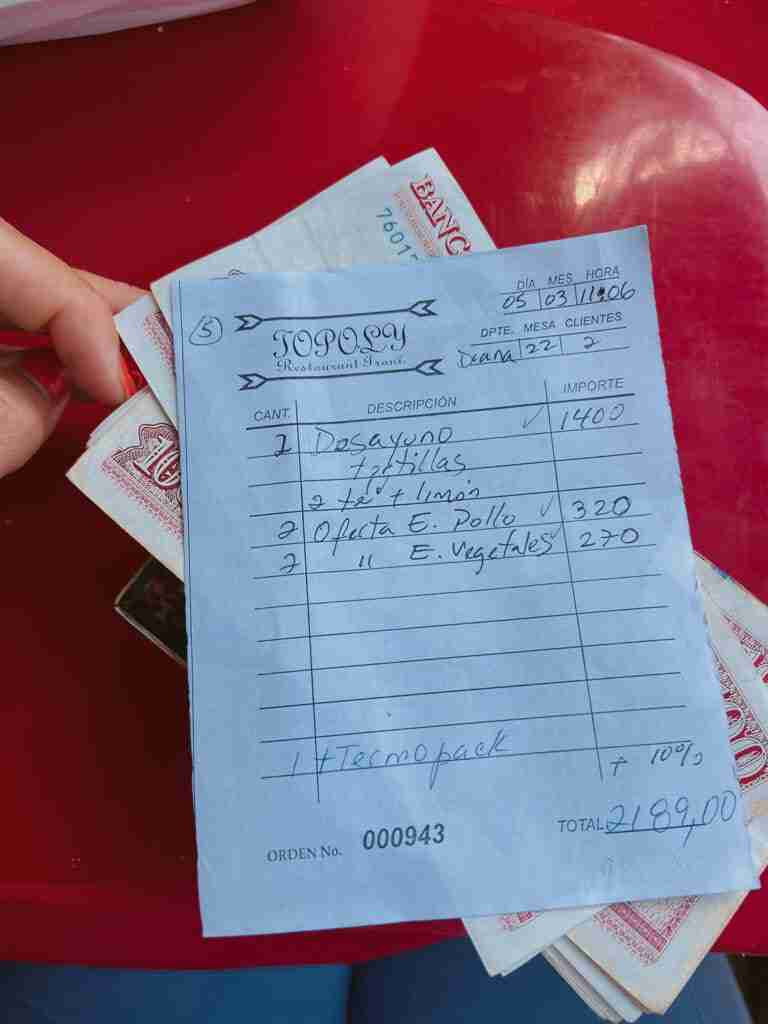
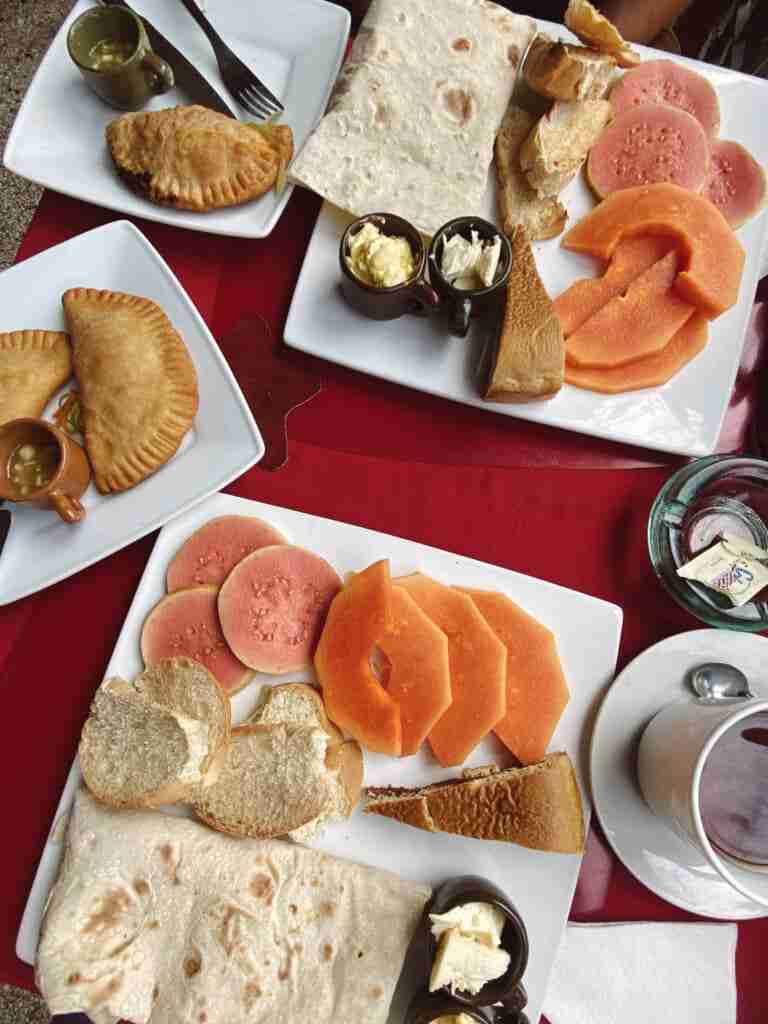
Street food in Cuba is relatively inexpensive, with meals costing around $2-$5 US. However, a meal at a mid-range restaurant could set you back between $10-$20 US, while fine dining options can cost upwards of $30 per person, excluding drinks.


Transportation Costs in Cuba
Transportation costs in Cuba vary widely based on the type of transport and distance. Let’s break it down.
1. Local bus
A local city bus fare is incredibly cheap, typically less than $1 US. However, these are not commonly used by tourists. Instead, tourists tend to opt for taxi collectivos for short journeys and Viazul buses for more long distance travel.
2. Bicycle taxis and horseback rides
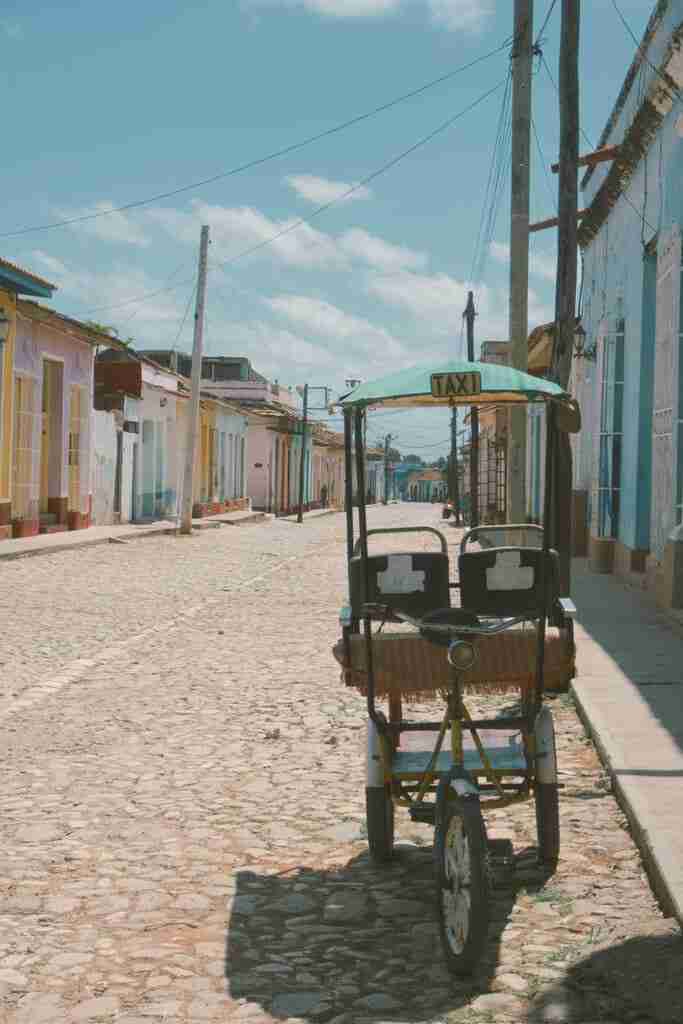
Hopping on the back of a bicycle taxi, particularly popular in Trinidad, might cost you around $5 US. We used this method of transport to get from the Viazul bus station in Trinidad to our Casa Particular and it was quite fun – considering Trinidad is renowned for it’s cobbled streets, we were bobbing along on small wooden seats on the back of a bike!
3. Horseback riding in Vinales
Meanwhile, in Vinales, a horseback ride through the picturesque tobacco fields and limestone mogotes typically costs between $25-$40 US for several hours.
4. Varadero hop-on-hop-off bus
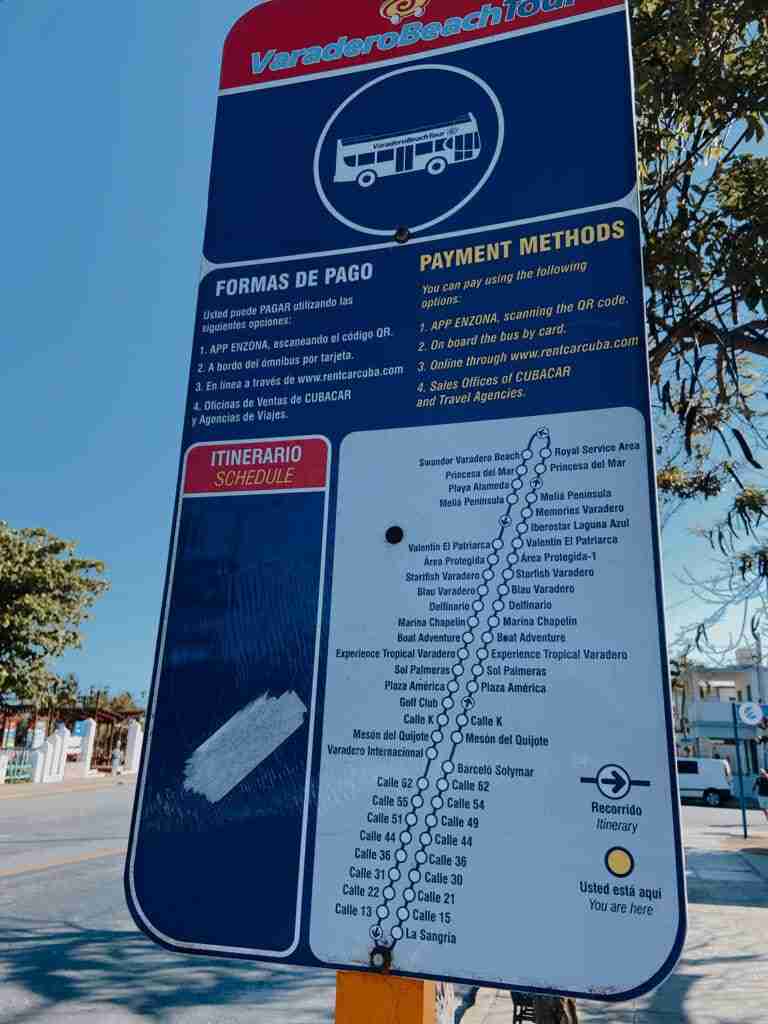
Over in Varadero, the hop-on-hop-off bus, which is a popular thing to do in Varadero, costs $5 US for a day ticket, allowing you to explore the peninsula’s main attractions at your own pace.
5. Taxi collectivo
Within city limits, a taxi collectivo ride can range between $5-$10 US. Long-distance taxi collectivo journeys vary depending on the route, but can be anywhere from $30 US to $80 US. For us, the journey from Vinales to Havana cost $40 US.
Taxi collectivos are a common and cost-effective way to travel in Cuba. These shared taxis often operate on fixed routes, picking up and dropping off passengers along the way. By splitting the fare among several passengers, you can save money compared to taking a private taxi. For example, an $80 US trip suddenly becomes a $20 US trip if you hop in a taxi with 3 others heading on the same route. Your Casa Particular host can help you book a collectivo.
Top Tip: Always agree on a fare before starting the journey to avoid misunderstandings later on.
6. Viazul buses
For long-distance journeys in Cuba, opting for Viazul buses is a budget-friendly choice in terms of transportation costs. Viazul buses are government-run public buses for tourists to travel around Cuba. They can cost between $10-$50 US, depending on your destination. We used Viazul buses several times and found them to be reliable, clean and air-conditioned!
7. Flights
If you’re considering taking a domestic flight, be prepared to spend more than $100 US.

Cost of Things to Do in Cuba
Attractions and activities also contribute to your travel budget. Admission fees for museums and other attractions are usually between $5-$10 US. If you’re interested in experiences like guided tours, cigar factory visits, or salsa classes, expect to pay anywhere from $10 to $30 US.
17 FAQs About Travel in Cuba
Are UK citizens allowed to travel to Cuba?
As mentioned earlier, UK citizens can travel to Cuba with a valid tourist card and passport.
Where is the best place to stay in Cuba?
It is best to travel around Cuba during your trip to get a flavour of its diversity and to immerse yourself in Cuban culture. Havana, Viñales, Trinidad, and Varadero are the best areas to stay in Cuba.
Is English widely spoken in Cuba?
While there are an increasing number of English speakers, especially in tourist areas, Spanish is the primary language spoken in Cuba.
Do I need to bring toilet paper to Cuba?
Yes, carry toilet paper with you as you travel around Cuba, as it can be hard to find in public restrooms.
Can you smoke in Cuba?
Yes, you can smoke in Cuba, but only in designated smoking areas.
How expensive is Cuba?
While Cuba can be a budget-friendly destination, tourist prices have risen, especially in popular areas like Havana. For a great comparison of the average costs of travelling around Cuba, see above.
Are Cubans allowed to leave Cuba?
Yes, but it’s complicated due to bureaucratic processes and the expense involved.
Is Cuba still communist?
Yes, Cuba remains one of the few socialist countries worldwide.
Can I get an ESTA if I’ve been to Cuba?
If you have travelled to Cuba since January 2021, you will no longer be eligible for ESTA to travel to the US. However, Cuban Customs Control does not stamp your passport on arrival or departure into Cuba. So, it’s difficult to understand how Customs in the US would know about your travel history to Cuba.
What has to be declared at Cuba Customs?
On arrival into Cuba, you must declare items like large sums of cash (over $5,000), professional media equipment, and valuable electronics.
Can I use my credit card in Cuba?
As mentioned earlier, you can use your credit or debit card in Cuba, but remember they can only be used in select locations, and US bank cards do not work due to the embargo. For more information, flick to point 3 above.
Is it safe to drive in Cuba?
Driving in Cuba can be challenging due to poorly maintained roads and a lack of signage. If you haven’t experienced similar conditions, hire a driver or use public transportation.
What is the local cuisine like in Cuba?
Cuban cuisine is a blend of Spanish, African, and Caribbean cuisines. It features a lot of rice, beans, pork, and tropical fruits.
Can I travel with my pet to Cuba?
Yes, but you must meet specific requirements, including proof of rabies vaccination and a health certificate from a vet.
Do I need any vaccines to travel to Cuba?
As mentioned earlier, no specific vaccines are required to travel to Cuba. However, it’s advised to be up-to-date with routine vaccines like measles, mumps, rubella, and influenza.
Is healthcare free for tourists in Cuba?
No, tourists need to have travel insurance that covers medical expenses. The healthcare for residents is free, but not for visitors.
Can I bring my Drone to Cuba?
Drones in Cuba are strictly prohibited. This means you are not allowed to bring a drone or fly one there. If you attempt to bring one, it will be confiscated by customs. Therefore, it’s essential to respect the regulations and avoid bringing a drone to Cuba to ensure a smooth and enjoyable travel experience.
Cuba, A Journey Into A Different Time…


Cuba is not just another travel destination. It’s a journey into a different time and a different way of life. It’s about engaging with a rich and complex history, experiencing a vibrant culture, and meeting warm and welcoming people. It’s about discovering the beauty of a country that’s been shaped by its past and continues to evolve in its own unique way.
Did you know that…
When you choose to purchase through our links, you support us at no extra cost and help us keep creating content. Thank you for your support. ♥️





Leave a Reply